
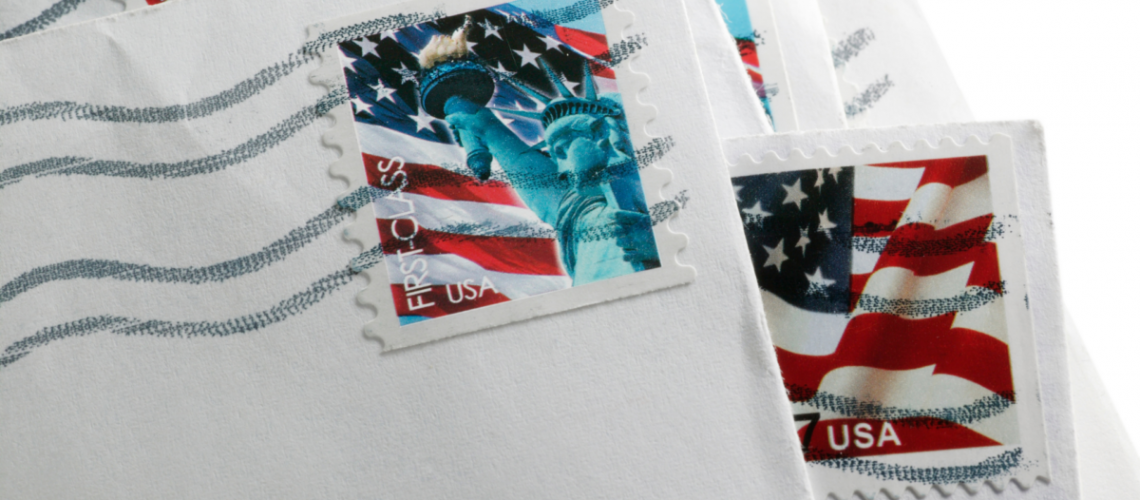
Effective December 24, 2025, the United States Postal Service (USPS) clarified that the postmark date that is printed onto your mail will reflect the processing date when the piece of mail reaches a regional processing center, rather than the drop-off date when you take it to your local post office. Because there may be a delay between drop-off and processing, this change could affect taxpayers who submit paper filings or payments through the mail. To reduce the risk of late penalties and interest, consider filing and paying electronically whenever possible, or use Certified or Registered Mail to document timely mailing.
USPS Postmark Date Update
This new clarification was published in the November 11, 2025 Federal Register, which explains that when you drop mail off, it will not be postmarked by the processing machines at your local office, but instead will be postmarked when it reaches a regional processing facility. The difference is that the it often takes at least a day, if not longer, before the piece of mail arrives at a processing facility. This applies whether you hand the piece of mail directly to a clerk, drop it in a blue collection box, or deposit it in the mail slip in the post office lobby.
This can become an issue for filers who prefer to wait until the deadline day to file or pay. If you have to file on paper or pay with a paper check, doing so shortly before a deadline (or worse, on the deadline day), could be marked as being mailed after the deadline. This doesn’t just affect the March and April 15th major deadlines either – quarterly estimated tax payments sent by check, mailed correspondence with regulatory authorities, Tax Court petitions, and other time-sensitive documents should be sent well in advance to ensure a timely postmark.
What Happens When the Postmark Date is Late?
The American Institute for Certified Public Accountants (AICPA) lays out a clear picture of the consequences of the mail being deemed “late”.
- Tax filings and payments: Tax returns or payments being considered late even if mailed on the due date, increasing exposure to late filing penalties, interest, and even causing you to miss elections made on the returns.
- Regulatory authority communications: Communications with legally defined deadlines, such as notice responses, Information Document Requests, or subpoenas, will be rejected for lateness if the postmark date does not align with the mandated deadline.
- Tax Court petitions: A late postmark will cause dismissal of a petition, as taxpayers must petition the Tax Court within 90 days of the notice of deficiency. Courts have historically upheld postmark evidence when assessing whether petitions were timely filed.
Mail occasionally gets lost or just shows up late, so our firm has followed the practice of asking clients to use certified mail if they are mailing returns or checks of a large amount. Without evidence of your mailing date, these penalties can start to add up quickly. With this change, it’s more important than ever to make sure you mail paper information on time and documentation of your mailing date.
How to Avoid Late Penalties with the New Postmark Date
- File Earlier: If you usually wait until deadline day to file and mail a paper check, consider completing that process a few days early going forward. Mailing earlier reduces the risk of a delayed postmark.
- Certified Mail: Certified Mail (Return Receipt Requested) or a Certificate of Mailing are the best options if you must mail on a deadline because these services document both proof of mailing to and confirmation of receipt by the taxing authority. These options will cost you a little more money, but if you aren’t mailing until the deadline day, it will be worth it.
- Proof of Mailing: you can get a manual postmark applied at your local post office, but it only shows proof that you mailed the item and this alone is not sufficient evidence if the mail gets lost and the IRS does not receive your information.
This is a crucial update for taxpayers who decide to mail paper checks or returns this year. If you prefers to file and pay on the deadline day, please work with your accountant to ensure any mailed items are documented correctly.